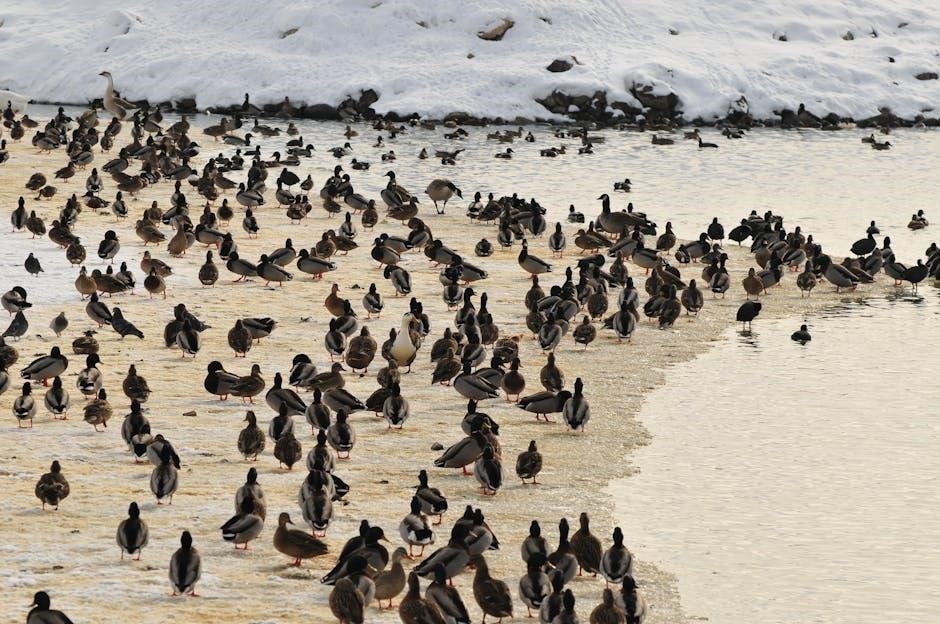
South Dakota Waterfowl Hunting Guides: A Comprehensive Plan
South Dakota’s allure for waterfowl hunters is increasingly debated, centering on the impact of flooded cornfields on traditional migration patterns and hunting success.
South Dakota has long been revered as a premier destination for waterfowl hunting, attracting enthusiasts from across the nation. The state’s expansive prairies, abundant wetlands, and strategic location within major flyways create an ideal environment for ducks and geese. However, recent discussions, notably featured on the Outdoor Life Podcast, highlight a growing concern: the increasing prevalence of flooded cornfields.
These fields, while initially appearing beneficial, are suspected of potentially disrupting traditional migration routes, causing birds to settle earlier and reducing their journey further south. This shift presents both challenges and opportunities for hunters and guides alike, demanding adaptive strategies and a deeper understanding of evolving waterfowl behavior.
Why Choose South Dakota for Waterfowl Hunting?
Despite emerging concerns about migration patterns, South Dakota remains a compelling choice for waterfowl hunters. The state boasts a rich history of successful hunts, underpinned by vast public and private lands offering diverse habitats. The concentration of prairie potholes, crucial breeding grounds, ensures consistent populations of mallards and other duck species.
Furthermore, South Dakota’s commitment to conservation and responsible hunting practices contributes to a sustainable resource. While the impact of flooded cornfields is debated, experienced guides are adapting, offering hunters opportunities to navigate these changes and still experience exceptional hunts.
Peak Hunting Seasons & Migration Patterns
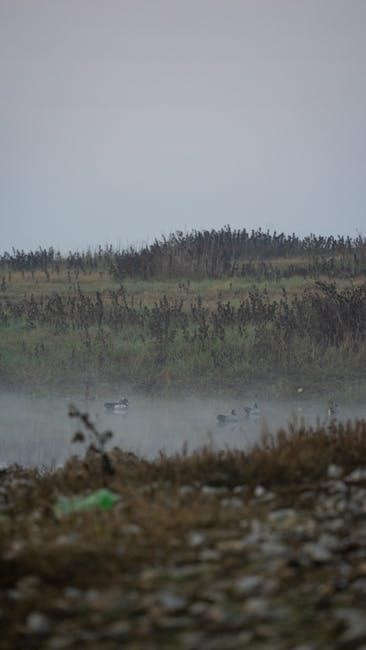
South Dakota’s peak waterfowl hunting seasons generally align with major migration pushes. The fall flight typically gains momentum in October, peaking through November, and extending into early December depending on weather conditions. Understanding these patterns is crucial for planning a successful hunt.
Recent discussions highlight potential shifts due to factors like abundant food sources in northern breeding grounds and the prevalence of flooded cornfields, which may ‘shortstop’ birds before they reach South Dakota. Experienced guides closely monitor migration data to adjust strategies accordingly.
Fall Flight Timing – Key Dates
While exact dates fluctuate annually, key periods for South Dakota’s fall flight generally include October 20th – November 15th for early-season mallard pushes. November 15th – December 5th often sees peak concentrations of Canada geese and late-season ducks.
However, the timing is increasingly variable. The presence of abundant food further north, coupled with flooded agricultural lands, can alter traditional migration timelines. Checking recent waterfowl reports and consulting with local guides is essential for pinpointing optimal hunting windows each year.
Understanding Duck & Goose Migration Routes
South Dakota lies within several major North American waterfowl flyways, most prominently the Central Flyway. Ducks originating from breeding grounds in Canadian prairies and the Dakotas funnel south through the state. Canada geese utilize both the Central and Mississippi Flyways, with populations wintering in the southern US and Mexico.
However, the increasing availability of food resources – particularly flooded corn – along the migration route can cause birds to stage in areas further north, potentially shortening their journey and altering traditional flyway usage.
Major Waterfowl Species in South Dakota
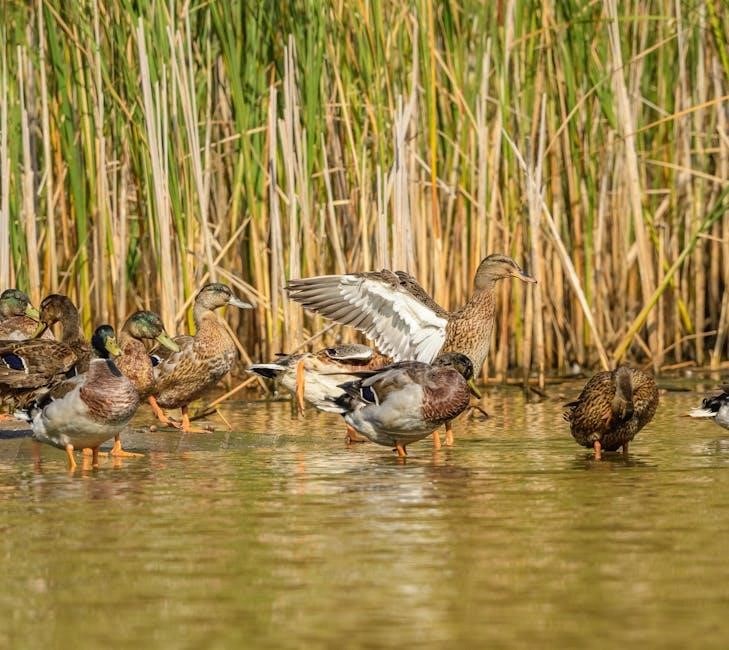
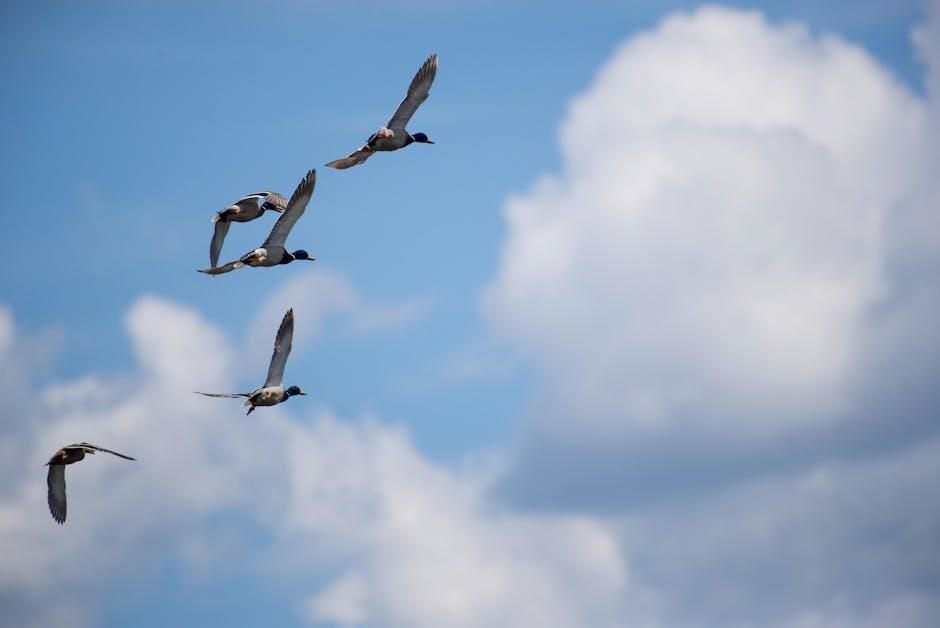
South Dakota boasts a diverse waterfowl population, attracting hunters seeking varied experiences. Mallards consistently rank as the most pursued species, drawn to the state’s abundant wetlands and agricultural fields. Canada geese are also incredibly prevalent, offering challenging hunts across diverse landscapes.
Beyond these staples, hunters frequently encounter snow geese, known for their large flocks and dynamic flight patterns, as well as pintails and teal, adding to the richness of the hunting opportunities available throughout the season.
Mallards: The Most Popular Target
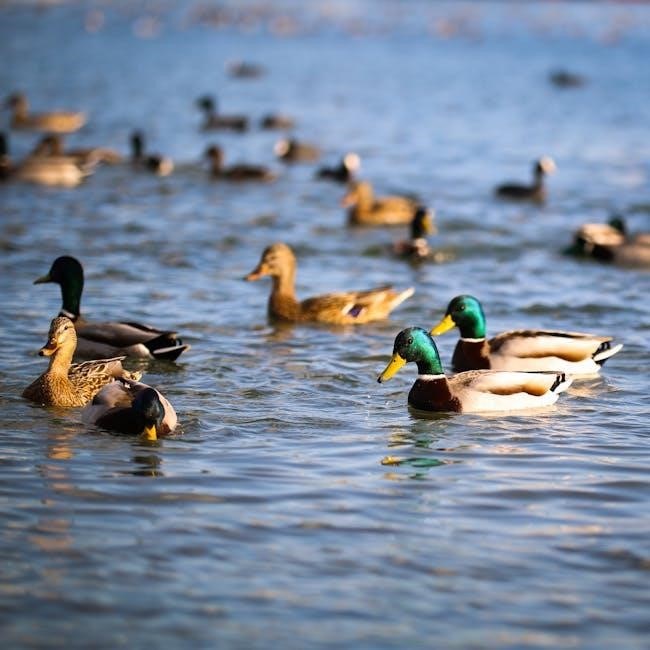
Mallards consistently top the list for South Dakota waterfowl hunters, prized for their adaptability and abundance. These ducks readily utilize both natural wetlands and agricultural fields, particularly flooded corn, creating prime hunting locations. Their varied calling abilities and flight patterns present a rewarding challenge for seasoned and novice hunters alike.
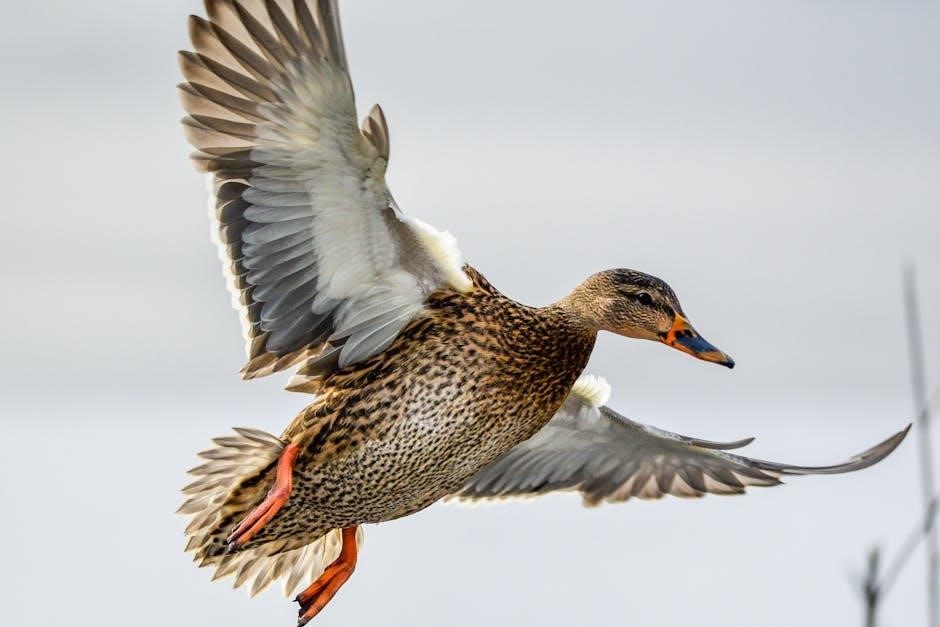
Successful mallard hunts often involve strategic decoy spreads and skillful calling, mimicking their natural behaviors to lure them within range. The sheer number of mallards migrating through South Dakota ensures consistent action.
Canada Geese: A South Dakota Staple
Canada geese represent a significant component of South Dakota’s waterfowl hunting landscape, offering a distinct challenge and rewarding experience. These large birds often feed extensively in agricultural fields, especially harvested grain and flooded corn, making them a common sight for hunters. Their intelligence and wary nature demand strategic hunting approaches.
Successful goose hunts frequently involve large decoy spreads, aggressive calling, and a keen understanding of their flight patterns; South Dakota’s resident goose population, combined with migrating flocks, ensures plentiful opportunities.
Other Common Species (Snow Geese, Pintails, Teal)
Beyond mallards and Canada geese, South Dakota attracts a diverse range of waterfowl species. Snow geese, known for their massive flocks and dynamic flight patterns, present a thrilling, often fast-paced hunting experience. Pintails, prized for their speed and elegance, require skilled shooting and careful decoy placement.
Various teal species, including blue-winged and green-winged, offer early-season excitement. Hunters often target these birds over shallow water and vegetation. Understanding the specific habits of each species is crucial for maximizing success during a South Dakota waterfowl hunt.
Types of South Dakota Waterfowl Hunts
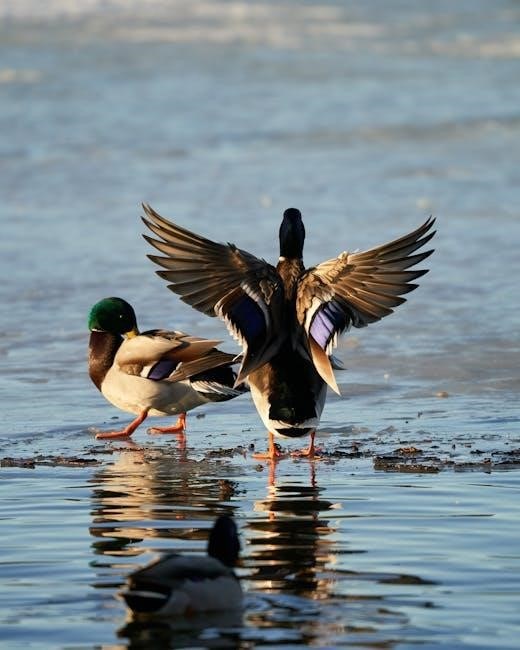
South Dakota offers varied waterfowl hunting experiences tailored to different preferences and skill levels. Guided duck hunts typically involve strategically placed decoys in flooded fields or wetlands, utilizing blinds for concealment. Guided goose hunts often employ aggressive calling and larger spreads to attract sizable flocks.
Many outfitters provide combination hunts, allowing hunters to pursue both ducks and geese during a single outing. These hunts maximize opportunities and cater to those seeking a comprehensive South Dakota waterfowl adventure. Choosing the right hunt depends on your target species and desired style.
Guided Duck Hunts – What to Expect
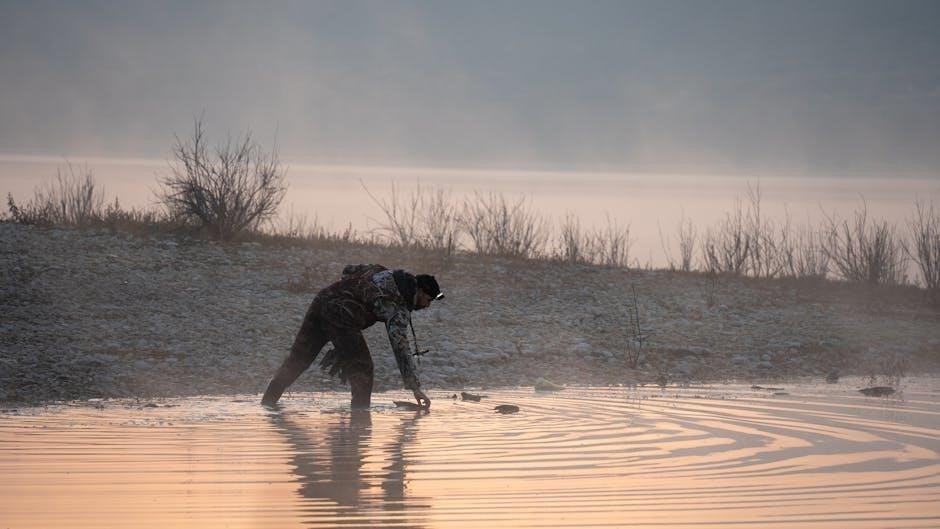
Expect a meticulously planned experience with guided duck hunts in South Dakota. Outfitters scout locations, setting up realistic decoy spreads in flooded fields or natural wetlands. Comfortable, camouflaged blinds provide concealment, and experienced guides handle calling and retrieving.
Typically, hunts begin before sunrise, maximizing shooting light. Guides offer instruction on shot selection and ethical harvesting. Post-hunt, birds are often cleaned and prepared for transport. Expect a focus on safety, legal compliance, and maximizing your chances of bagging a limit of mallards and other duck species.
Guided Goose Hunts – Strategies & Tactics
Guided goose hunts in South Dakota demand strategic approaches due to the birds’ intelligence and keen eyesight. Outfitters utilize large decoy spreads, mimicking feeding or resting flocks, often incorporating motion decoys to attract attention. Aggressive calling is crucial, employing various goose vocalizations to lure birds within range.
Layout blinds provide low-profile concealment in fields, while guides expertly manage wind direction and shooting lanes. Expect longer shooting distances compared to duck hunts, requiring precise shooting skills. Successful hunts often involve multiple setups, adapting to changing goose behavior throughout the day.
Combination Duck & Goose Hunts
Many South Dakota outfitters specialize in combination duck and goose hunts, maximizing hunting opportunities during a single trip. These hunts typically begin with a morning goose hunt, capitalizing on early feeding activity, followed by an afternoon duck hunt over flooded fields or natural wetlands.
This approach allows hunters to experience the diverse tactics and challenges of pursuing both species. Guides expertly transition between setups, adjusting strategies based on bird movements and weather conditions. Combination hunts offer excellent value and a well-rounded South Dakota waterfowl experience.
Selecting the Right South Dakota Hunting Guide
Choosing a reputable South Dakota waterfowl hunting guide is crucial for a successful and enjoyable hunt. Prioritize guides with proper licensing and permits, ensuring legal and ethical operations. Thoroughly research guide experience and reputation through online reviews and references from past clients.
Consider accommodation options offered – ranging from comfortable lodges to nearby hotels – to suit your preferences. A skilled guide will possess extensive knowledge of local hunting areas, bird behavior, and adaptable strategies for varying conditions, ultimately enhancing your overall experience.
Licensing & Permits – Ensuring Legality
Navigating South Dakota’s hunting regulations requires careful attention to licensing and permits. Non-residents must obtain a non-resident hunting license, along with any required waterfowl stamps – both federal and state. Understanding daily bag limits and shooting hours is paramount for legal compliance.
Guides are responsible for ensuring hunts adhere to all regulations, but hunters should independently verify requirements. Failure to possess valid licenses can result in fines and confiscation of equipment, jeopardizing your hunting trip and future opportunities.
Guide Experience & Reputation
Selecting a guide with proven experience is crucial for a successful hunt; Investigate their years operating in South Dakota, specifically focusing on waterfowl. A reputable guide possesses in-depth knowledge of local migration patterns, prime hunting locations, and adaptable strategies.
Seek out testimonials and references from previous clients. Online reviews and word-of-mouth recommendations offer valuable insights into a guide’s professionalism, ethical practices, and overall hunting success rate. Don’t hesitate to ask detailed questions about their approach.
Accommodation Options (Lodges, Hotels, etc.)
South Dakota offers diverse lodging choices to complement your hunt, ranging from rustic lodges to comfortable hotels. Many guided hunts include accommodation packages, often at lodges specifically catering to waterfowl hunters. These lodges frequently provide meals, gear storage, and camaraderie.
Alternatively, you can book independent lodging in nearby towns. Hotels offer standard amenities, while rental cabins provide more privacy. Consider proximity to hunting grounds and transportation options when selecting accommodation. Evaluate package inclusions carefully to determine the best value for your needs and budget.
Flooded Corn Fields & Their Impact on Hunting
The increasing prevalence of flooded cornfields in South Dakota is a significant topic of debate among waterfowl hunters. These fields provide readily available food and resting areas, potentially “short-stopping” migrating birds before they reach traditional hunting grounds. This concentrates birds locally, altering established flyways.
While offering immediate hunting opportunities, some argue this practice diminishes the overall migration, impacting long-term hunting prospects. Understanding this dynamic is crucial when selecting a guide and planning your hunt, as strategies may adapt to these changing conditions.
South Dakota Hunting Regulations & Licensing
Navigating South Dakota’s hunting regulations is paramount for a legal and ethical waterfowl hunt. Non-residents require a valid South Dakota hunting license, along with applicable waterfowl stamps (Federal and State). Daily bag limits and shooting hours are strictly enforced, varying by species and zone.
A South Dakota Habitat Stamp is also required for most hunting activities. Your chosen guide should be thoroughly versed in current regulations, ensuring compliance throughout your hunt. Always verify regulations before your trip, as they can change annually.
Essential Gear for a South Dakota Waterfowl Hunt
Preparing with the right gear is crucial for a comfortable and successful South Dakota waterfowl hunt. A 12-gauge or 20-gauge shotgun, appropriately choked for the expected range, is standard. Steel shot is mandated for waterfowl hunting. Durable, waterproof waders are essential, alongside layered hunting apparel for fluctuating temperatures.
Decoys – both ducks and geese – and a variety of calls are vital for attracting birds. Don’t forget a comfortable blind, binoculars for scouting, and a game carrier for your harvest.
Shotguns & Ammunition
Selecting the correct shotgun and ammunition is paramount for a productive hunt. A 12-gauge remains the most popular choice, offering versatility and stopping power, though a 20-gauge is suitable for lighter recoil. Shotgun gauge selection depends on hunter preference and target species.
Crucially, South Dakota mandates the use of non-toxic shot – typically steel – for all waterfowl hunting. Consider different shot sizes (e.g., #2, #3, BB) based on the birds you’re pursuing and the range of your shots. Proper choke selection further enhances accuracy.
Decoys & Calls
Effective decoy spreads are vital for attracting waterfowl, mimicking natural feeding or resting patterns. Mallard decoys are a staple, but diversifying with species-specific sets (e.g., snow goose, Canada goose) increases realism. Consider wind direction and set decoys accordingly, creating inviting landing zones.
Waterfowl calls – duck and goose – add another layer of attraction. Mastering basic calls requires practice, but even simple calls can entice birds closer. Electronic calls are permitted in some situations, but always verify current regulations.
Waders & Hunting Apparel
South Dakota’s unpredictable weather demands adaptable hunting apparel. Waterproof and insulated waders are essential, given the prevalence of flooded fields and marshes. Layering is key – start with moisture-wicking base layers, add insulating mid-layers, and finish with a waterproof, windproof outer shell.
Don’t overlook accessories like warm hats, gloves, and waterproof socks. Camouflage patterns should blend with the surrounding environment; consider varying patterns for different habitats. Eye protection and a comfortable hunting vest complete the setup.
Costs Associated with Guided Hunts
Guided waterfowl hunts in South Dakota vary significantly in price, depending on the duration, species targeted, and level of luxury. Expect to pay anywhere from $300 to $800+ per day, per hunter for a standard duck or goose hunt. Combination hunts typically command higher rates.
These costs generally include the guide’s fee, access to hunting grounds, decoys, and calls. However, they usually don’t cover lodging, meals, ammunition, licenses, or gratuities. Factor in these additional expenses when budgeting for your trip.
Popular South Dakota Hunting Locations
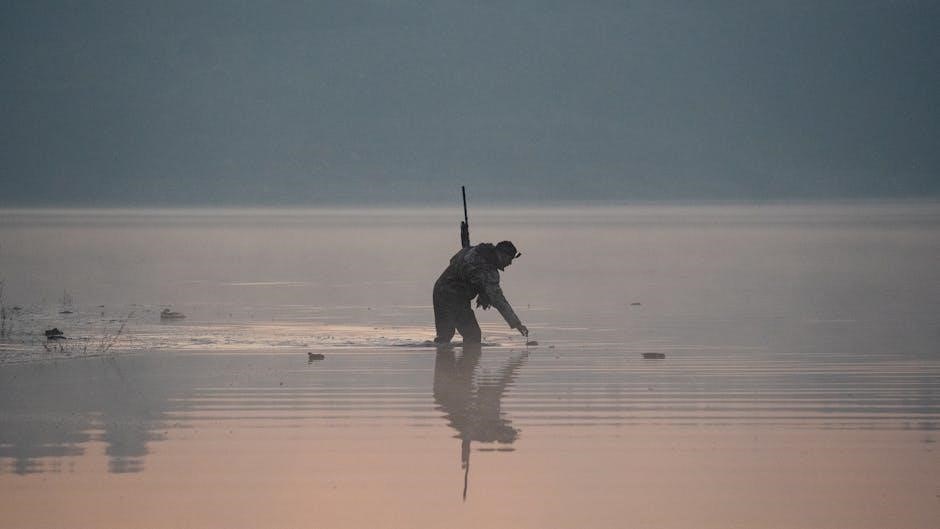
Eastern South Dakota, particularly the Prairie Pothole Region, is renowned for its abundance of ducks, thanks to countless breeding and resting areas. This area consistently draws hunters seeking classic prairie experiences.
The Missouri River Bottoms offer a diverse habitat attracting both ducks and geese, providing varied hunting opportunities. These riverine environments, coupled with adjacent agricultural lands, create ideal conditions. Both regions benefit from strong conservation efforts, ensuring healthy waterfowl populations and premier hunting grounds for years to come.
Eastern South Dakota – Prairie Pothole Region
The Prairie Pothole Region of eastern South Dakota is a waterfowl hunter’s paradise, sculpted by glacial activity. These numerous potholes fill with water, creating vital breeding grounds and attracting migrating birds. Mallards, pintails, and teal thrive here, drawing hunters seeking classic prairie hunts.
Expect expansive landscapes, often featuring agricultural fields adjacent to wetlands. This combination provides excellent opportunities for both pass-shooting and decoy spreads. Successful hunts depend on scouting and adapting to changing conditions within this dynamic ecosystem.
Missouri River Bottoms – Diverse Habitat
The Missouri River bottoms present a unique contrast to the prairie potholes, offering diverse habitat for waterfowl. Cottonwood forests, river channels, and agricultural lands converge, creating a haven for Canada geese and various duck species. This area often holds birds later in the season as migration progresses.
Hunts here frequently involve jump-shooting along the river or setting up in flooded timber. The varied terrain demands adaptability and a keen understanding of bird movements. Expect a different hunting experience compared to the open prairie landscapes.
Ethical Hunting Practices in South Dakota
South Dakota hunters are expected to uphold strong ethical standards, prioritizing fair chase and responsible harvesting. This includes knowing and obeying all regulations, respecting private property, and ensuring a quick, clean kill. Practicing proper wing shooting and retrieving downed birds promptly are crucial.
Furthermore, hunters should demonstrate respect for fellow hunters, landowners, and the environment. Avoiding overshooting and taking only necessary shots contribute to sustainable waterfowl populations. Ethical conduct preserves the tradition and ensures future hunting opportunities.
Conservation Efforts & Waterfowl Management
South Dakota actively participates in waterfowl conservation through various programs and partnerships. These initiatives focus on habitat restoration and preservation, particularly within the Prairie Pothole Region, vital breeding grounds; Funding stems from hunting license fees, excise taxes on hunting equipment, and collaborative efforts with organizations like Ducks Unlimited.
Effective waterfowl management relies on scientific monitoring of populations and migration patterns. These data inform hunting regulations, ensuring sustainable harvests and long-term health of waterfowl species. Conservation success directly benefits both the birds and the hunting experience.
Preparing for Your Trip – Travel & Logistics
Planning your South Dakota waterfowl hunt requires logistical foresight. Most hunters fly into Sioux Falls Regional Airport (FSD) or Rapid City Regional Airport (RAP), then rent a vehicle for travel to hunting locations. Consider the time of year; South Dakota winters can be severe, impacting road conditions.
Booking accommodations and transportation well in advance is crucial, especially during peak seasons. Confirm details with your guide regarding meeting points and necessary travel arrangements. Pack appropriately for cold weather and potential delays – preparedness enhances your overall experience.
Safety Considerations for Waterfowl Hunting
Waterfowl hunting demands strict adherence to safety protocols. Always practice safe firearm handling, treating every gun as loaded. Wear blaze orange clothing for visibility, and be mindful of your surroundings and fellow hunters. Hypothermia is a serious risk in South Dakota’s cold climate; dress in layers and stay dry.
Understand and follow all hunting regulations, including shooting hours and legal shooting zones. Communicate clearly with your guide and hunting partners, and never shoot without a clear line of sight. Prioritize safety above all else for a responsible hunt.
Frequently Asked Questions (FAQs)
Many hunters inquire about the impact of flooded cornfields on migration, wondering if birds are stopping short of traditional South Dakota destinations. Others ask about licensing requirements and the best time to book a guided hunt, as availability fills quickly. Questions regarding appropriate gear, specifically waders and cold-weather clothing, are common.
Hunters also want to know about the success rates of guided hunts and what’s included in the package price. Finally, clarification on transportation to and from hunting locations is frequently requested.
Booking Your Hunt – Timing & Availability
Securing a guided waterfowl hunt in South Dakota requires proactive planning. Prime dates, particularly during peak migration, book up months – even a year – in advance. Early booking, ideally by spring or early summer, is crucial for securing preferred dates and outfitters.
Outfitters often release availability in phases, with repeat clients receiving priority. Be prepared to provide deposit information upon booking. Flexibility with dates can significantly increase your chances of securing a hunt, especially during popular periods.
What to Expect on the Day of the Hunt
A typical South Dakota waterfowl hunt begins before sunrise, with a hearty breakfast fueling the day. Expect a safety briefing from your guide covering firearm handling and hunting regulations. Transportation to the hunting location, often flooded cornfields or natural wetlands, follows.
Guides expertly set up decoys and blinds. The hunt involves patience, skillful calling, and precise shooting. Post-hunt, birds are retrieved, and field care begins, preparing the harvest for transport.
Post-Hunt – Field Care & Processing
Proper field care is crucial for preserving the quality of your harvested birds. Immediately cool the waterfowl by keeping them dry and shaded. Removing the internal organs quickly prevents spoilage. Many guides offer field dressing services, or will instruct hunters on best practices.
Processing options range from taking birds to a local processor to handling it yourself. Freezing or preparing for consumption should occur promptly to maintain optimal flavor and texture. Respectful handling honors the hunt.
Resources for Further Information
For detailed South Dakota hunting regulations, consult the South Dakota Game, Fish and Parks (SDGFP) website – gfp.sd.gov – for licensing, season dates, and legal requirements. Outdoor Life and similar publications frequently cover waterfowl hunting trends and South Dakota-specific reports.
The Delta Waterfowl Foundation (deltawaterfowl.org) provides valuable insights into waterfowl conservation and migration patterns. Local chambers of commerce and guide websites also offer regional information. Podcasts, like the Outdoor Life Podcast, often discuss current hunting topics.
South Dakota remains a premier waterfowl destination, though evolving conditions demand informed planning. Understanding migration shifts, particularly those potentially linked to flooded cornfields, is crucial for success. Selecting a reputable guide with local expertise significantly enhances your hunt.
Prioritize ethical hunting practices and contribute to conservation efforts. Thorough preparation, appropriate gear, and adherence to regulations ensure a safe and rewarding experience. Staying updated on current trends, via resources like Outdoor Life, will maximize your enjoyment.