
AASHTO Roadside Design Guide: A Comprehensive Overview (Updated 02/26/2026)
The AASHTO Roadside Design Guide provides crucial standards for safe roadway environments, including asphalt mow strips used around guardrail posts, as of June 25, 2025.
The AASHTO Roadside Design Guide serves as the definitive resource for engineers and planners focused on enhancing highway safety. Updated as of February 26, 2026, this guide establishes comprehensive criteria for designing forgiving roadside environments. It addresses crucial elements like clear zones, hazard mitigation, and the effective use of safety features.
Recent discussions, including those surrounding the 2024-25 BKT EuroCup signings, highlight the importance of detailed planning and safety considerations – principles mirrored in the Guide’s systematic approach. The guide’s principles are vital for minimizing the severity of crashes when vehicles leave the traveled way, focusing on practical applications like asphalt mow strips.
Historical Development of the Guide
The AASHTO Roadside Design Guide evolved from early roadside safety concerns in the mid-20th century, initially focusing on minimizing fixed-object hazards. Early iterations lacked the systematic approach present in the current 2026 edition.
Over decades, research into crash dynamics and human factors drove revisions, incorporating concepts like clear zones and energy-absorbing barriers. The guide’s development parallels advancements in roadway engineering, mirroring the detailed planning seen in events like the BKT EuroCup team rosters. Continuous updates, like those anticipated in 2025, reflect ongoing safety improvements.
Core Principles of Roadside Safety
AASHTO’s core principles center on minimizing the severity of crashes when vehicles leave the roadway. This involves a systematic approach to hazard identification and mitigation, prioritizing forgiving roadside designs.
Key tenets include maintaining clear zones, utilizing appropriate barrier systems (like guardrails), and managing roadside slopes. Like carefully constructed BKT EuroCup provisional rosters, roadside design demands precision. The guide emphasizes consistency and acceptable risk levels, aiming to reduce both crash frequency and resulting injuries, ensuring a safer travel experience.
The “Systematic” Approach
AASHTO’s “systematic” approach to roadside safety is a four-step process: identifying potential hazards, assessing their risk based on traffic volume and speed, selecting appropriate countermeasures, and evaluating their effectiveness;
This mirrors the careful team building seen in BKT EuroCup signings, requiring thorough analysis. The process prioritizes a proactive, rather than reactive, stance. It demands consistent application of design standards and a focus on minimizing the consequences of unavoidable crashes, ultimately enhancing overall roadway safety for all users.
Acceptable Risk & Design Consistency
AASHTO acknowledges that eliminating all roadside hazards is impractical, focusing instead on achieving “acceptable risk.” This involves balancing safety improvements with cost-effectiveness and operational needs.
Design consistency is paramount; uniform application of standards across a roadway network minimizes driver confusion and expectation violations. Like selecting a balanced EuroCup roster, it requires careful consideration. Maintaining consistent design features, such as shoulder widths and clear zones, contributes to a more forgiving roadside environment and reduces crash severity.
Roadside Elements & Hazard Identification
AASHTO emphasizes a systematic approach to identifying all potential roadside hazards. These include fixed objects like trees, poles, and signs, as well as potentially traversable slopes and water bodies.
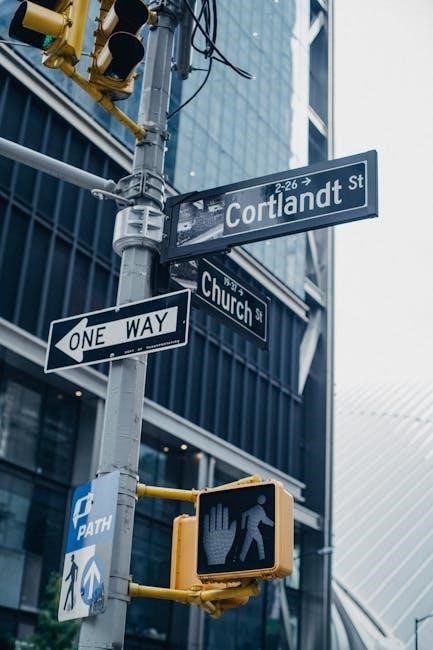
Effective hazard identification is crucial for prioritizing safety improvements, much like scouting talent for a BKT EuroCup team. The guide details methods for assessing the risk posed by each element, considering factors like proximity to the roadway and potential impact severity. Accurate assessment informs appropriate mitigation strategies.
Fixed Objects (Trees, Poles, Signs)
AASHTO guidelines address the significant risk posed by fixed objects adjacent to roadways. Trees, utility poles, and roadside signs represent substantial impact hazards if vehicles deviate from the travel lane.
The guide recommends strategies like relocation, breakaway supports, or energy-absorbing attenuators to minimize injury potential. Similar to drafting a provisional roster for the BKT EuroCup, careful consideration must be given to object placement and protective measures, ensuring a safer roadside environment for all travelers.
Roadside Slopes & Ditches
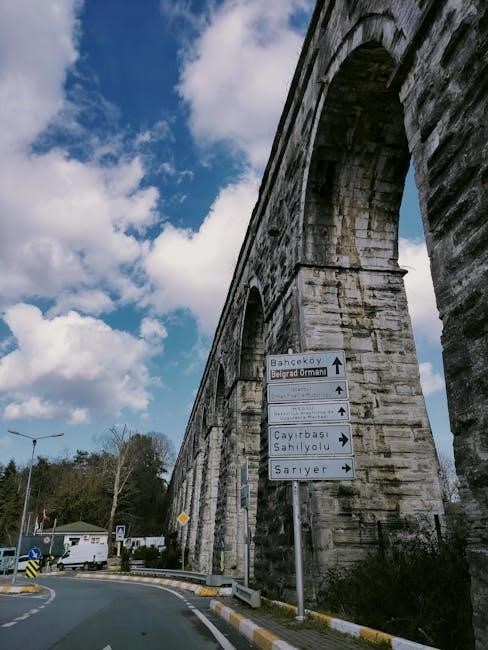
AASHTO standards meticulously govern roadside slope design and ditch configurations, crucial for both drainage and vehicle recovery. Flatter slopes and properly designed ditches reduce rollover risks and the severity of impacts.
These features act as a safety net, similar to a well-constructed BKT EuroCup team roster, providing a controlled environment for errant vehicles. Careful grading and vegetation establishment are key, preventing erosion and maintaining the effectiveness of these vital safety components.
Water Bodies & Culverts
AASHTO guidelines address the inherent hazards posed by roadside water bodies and the critical role of culverts in safe drainage. Proper design minimizes the risk of vehicles entering these areas, mirroring the strategic team composition seen in BKT EuroCup provisional rosters.
Culvert placement and sizing must accommodate peak flow rates, preventing roadway overtopping. Protective measures, like barriers or signage, are often required near water, ensuring driver awareness and mitigating potential consequences, much like awards recognizing top players.
Clear Zone Concepts

AASHTO’s Clear Zone concept is fundamental to roadside safety, establishing a traversable area free of hazardous obstacles. This zone allows drivers recovery time after leaving the traveled way, akin to a well-defined team strategy in the BKT EuroCup.

The width of the clear zone varies based on roadway design speed and traffic volume, demanding careful consideration. Maintaining a clear, forgiving roadside environment significantly reduces the severity of crashes, mirroring the importance of accurate provisional rosters.

Defining the Clear Zone
The Clear Zone, as defined by the AASHTO Roadside Design Guide, represents the total roadside area needed for drivers to safely stop or regain control after an unintentional departure from the roadway. It’s a critical buffer, much like a well-executed game preview prepares fans for a BKT EuroCup match.
This zone extends outward from the edge of the traveled way, encompassing the shoulder, and adjacent areas. Determining its precise boundaries requires analyzing design speed, traffic volumes, and roadside characteristics, ensuring optimal safety margins.
Factors Influencing Clear Zone Width
Several key factors dictate the necessary width of the Clear Zone, as detailed within the AASHTO Roadside Design Guide. Foremost is the roadway’s design speed; higher speeds necessitate wider zones, mirroring the fast-paced action of a BKT EuroCup game.
Traffic volume also plays a significant role, alongside the presence and severity of fixed objects. Roadside slope steepness and curvature further impact calculations, demanding careful consideration for driver recovery potential and overall roadside safety.
Guardrail & Barrier Systems
AASHTO guidelines meticulously detail the application of guardrail and barrier systems for roadside safety, crucial for mitigating impacts similar to the competitive spirit of the BKT EuroCup. W-beam guardrails represent a common, cost-effective solution, redirecting vehicles away from hazards.
Concrete barriers, including Jersey and single slope designs, offer higher containment levels. Proper terminal designs are vital to prevent dangerous end-of-barrier impacts, ensuring a safe transition for errant vehicles.
W-Beam Guardrails
AASHTO specifies W-beam guardrails as a frequently employed roadside safety feature, offering a balance between cost-effectiveness and performance, much like strategic team signings in the BKT EuroCup. These systems function by absorbing collision energy and redirecting vehicles along a safe trajectory.
Installation requires adherence to strict guidelines regarding post spacing, height, and impact angles. Proper anchorage and terminal treatments are essential to prevent “cable snap” and ensure occupant safety during impacts.
Concrete Barriers (Jersey & Single Slope)
AASHTO guidelines detail the use of concrete barriers – Jersey and single slope – for high-speed, high-volume roadways, providing robust protection akin to a well-defended basketball team in the EuroCup. Jersey barriers feature a vertical face to redirect vehicles, while single slope barriers offer a gentler deflection.
Design considerations include barrier height, weight, and foundation stability. Proper installation and connection details are vital to prevent under-ride and maintain structural integrity during impact events, ensuring maximum safety.
Guardrail Terminal Designs
AASHTO specifies various guardrail terminal designs to safely dissipate energy during impacts, much like strategic plays in a BKT EuroCup game. These terminals, crucial for roadside safety, include flared, knuckled, and cable terminals.
Proper design accounts for impact severity, approach angle, and vehicle type. Terminals must prevent vehicle penetration and redirect traffic away from hazards, ensuring a smooth transition off the roadway. Regular inspection and maintenance are vital for optimal performance and continued safety.
Shoulder Design Considerations
AASHTO guidelines emphasize shoulder design as a critical component of roadside safety, akin to a well-executed team roster in the BKT EuroCup. Shoulder width and slope directly impact driver recovery and reduce crash severity.
Paved shoulders offer enhanced stability and braking capabilities, particularly beneficial on high-speed roadways. Unpaved shoulders require careful consideration of material properties and maintenance to prevent erosion. Proper shoulder design minimizes the risk of run-off-road crashes and enhances overall roadway safety.
Shoulder Width & Slope
AASHTO standards dictate shoulder width based on roadway classification and design speed, mirroring the strategic team composition in the BKT EuroCup. Wider shoulders provide greater recovery space for errant vehicles.
Shoulder slopes are crucial for drainage and vehicle re-entry. Generally, a 4:1 slope (4 feet horizontal for every 1 foot vertical) is recommended, though this can vary. Consistent slope prevents ponding and facilitates safe return to the travel lane, enhancing overall roadside safety and driver control.
Paved Shoulder Applications
Paved shoulders offer enhanced benefits, particularly on high-speed roadways like freeways and expressways, mirroring the competitive intensity of the BKT EuroCup. They provide a usable running surface for vehicle recovery and emergency stopping.
AASHTO guidelines specify pavement type and structural design for paved shoulders, considering anticipated traffic loads. They also reduce shoulder drop-off hazards and improve ride quality. Proper design minimizes pavement cracking and rutting, ensuring long-term performance and safety for all road users.
Roadside Vegetation Management
Effective roadside vegetation management is critical for maintaining clear sight distances and preventing roadside hazards, much like strategic team rosters in the BKT EuroCup. AASHTO emphasizes controlling vegetation to enhance visibility of signs, guardrails, and other critical safety features.
Mow strips, including asphalt varieties, serve as vegetation barriers. Regular mowing and removal of encroaching vegetation are essential. Erosion control and revegetation efforts stabilize slopes and prevent soil loss, contributing to overall roadside safety and environmental sustainability.
Mow Strips & Their Function (Asphalt Mow Strips)
Mow strips are fundamental to roadside safety, functioning as clear zones between the traveled way and potentially hazardous vegetation. Specifically, asphalt mow strips act as durable barriers around guardrail posts, preventing unwanted growth and maintaining structural integrity.
Historically, these strips have been modeled as rigid elements in safety analyses, influencing energy absorption calculations. Their consistent maintenance is vital, mirroring the careful roster management seen in competitions like the BKT EuroCup, ensuring optimal performance and safety.
Erosion Control & Revegetation
Effective erosion control is paramount in roadside design, safeguarding infrastructure and environmental stability. Revegetation strategies, following disturbance from construction or maintenance, are crucial for slope stabilization and preventing sediment runoff. These practices complement the overall systematic approach to roadside safety, much like carefully constructed team rosters in the EuroCup.
Properly established vegetation minimizes soil loss, protecting clear zones and ensuring the longevity of safety features like asphalt mow strips. Consistent monitoring and proactive measures are essential for long-term success.
Lighting & Signage for Roadside Safety
Strategic lighting and clear signage are integral components of a safe roadside environment, enhancing driver visibility and providing crucial information. Object markers and delineators guide motorists, particularly during adverse conditions, mirroring the strategic player selections in a BKT EuroCup team’s provisional roster.
Warning signs, appropriately placed, alert drivers to potential hazards, contributing to design consistency and acceptable risk levels. Effective illumination improves nighttime safety, complementing roadside slopes and clear zone considerations.
Object Markers & Delineators
Object markers and delineators play a vital role in guiding drivers and highlighting potential roadside hazards, much like carefully constructed provisional rosters in the BKT EuroCup. These visual cues enhance roadway safety, particularly during low-visibility conditions, improving driver awareness of fixed objects like trees and poles.
Their placement adheres to AASHTO guidelines, ensuring consistent and predictable roadside environments; Effective delineation contributes to a systematic approach to roadside safety, minimizing risk and promoting design consistency.
Warning Signs & Placement
Warning signs are integral to the AASHTO Roadside Design Guide, alerting drivers to potential hazards ahead, similar to game previews preparing fans for BKT EuroCup matchups. Proper placement, dictated by visibility and approach speed, is crucial for driver reaction time.

These signs must conform to standardized shapes, colors, and messaging, ensuring clarity and comprehension. Consistent application of warning sign protocols contributes to a systematic and predictable roadside environment, enhancing overall safety and reducing risk.
Design for Specific Roadway Types
AASHTO recognizes that roadside design must adapt to varying roadway characteristics, much like BKT EuroCup teams adjust strategies for different opponents. Freeways and expressways demand higher design standards due to increased speeds and traffic volumes, prioritizing clear zones and robust barrier systems.
Arterials and collectors, serving local traffic, require a balanced approach, considering pedestrian access and potential encroachment. Design consistency across similar roadway types is paramount for predictable driver expectations and enhanced safety.
Freeways & Expressways
AASHTO guidelines for freeways and expressways prioritize minimizing the consequences of run-off-road crashes due to high speeds and traffic volumes. Wider clear zones are essential, alongside robust barrier systems like concrete barriers and carefully designed guardrail terminals.
Shoulder design focuses on recovery potential, often incorporating paved shoulders. Consistent delineation and object marker placement are crucial, mirroring the strategic team rosters of the BKT EuroCup, ensuring predictable and safe travel.
Arterials & Collectors
AASHTO roadside design for arterials and collectors balances safety with right-of-way constraints, differing from freeways. Clear zones are typically narrower, necessitating careful hazard identification and mitigation. Emphasis shifts towards managing fixed objects – trees, poles, and signs – to reduce crash severity.
Shoulder design considers pedestrian and bicycle access, alongside vehicle recovery. Like selecting an All-EuroCup First Team, prioritizing effective solutions within budgetary limits is key to successful implementation.
Human Factors in Roadside Design
AASHTO recognizes that roadside design profoundly impacts driver behavior and crash outcomes. Understanding driver expectancy, perception-reaction time, and potential for error is paramount. Designs must accommodate a range of driver capabilities and conditions, minimizing the consequences of inevitable mistakes.
Impact attenuation and energy absorption are critical, much like selecting the best players for an All-EuroCup team requires assessing individual strengths. Roadside features should be forgiving, reducing injury severity.
Impact Attenuation & Energy Absorption
AASHTO guidelines prioritize minimizing vehicle deceleration rates during impacts with roadside elements. This is achieved through features designed to absorb and dissipate crash energy, reducing forces transmitted to vehicle occupants. Effective systems, like guardrails and barriers, manage impact severity.
Similar to strategically selecting players for the All-EuroCup First Team, careful design choices are vital. Asphalt mow strips, for example, contribute to overall system performance, as noted in roadside safety structures.
Roadside Safety Audits & Reviews
AASHTO emphasizes proactive safety assessments throughout the project lifecycle. Roadside Safety Audits (RSAs) involve independent, formal evaluations identifying potential hazards. These reviews, similar to scouting for the best players in the EuroCup, ensure designs align with current standards and best practices.
Regular reviews, incorporating feedback and lessons learned, are crucial for continuous improvement. Like updating provisional rosters, audits help refine roadside safety features and mitigate risks effectively.
The Role of Simulation & Modeling
AASHTO increasingly relies on advanced simulation and modeling techniques to predict roadside safety performance. These tools, much like analyzing player statistics in the BKT EuroCup, allow engineers to virtually test designs and assess crash consequences before implementation.
Modeling helps optimize features like guardrail placement and energy absorption, improving effectiveness. This proactive approach minimizes real-world risks and ensures designs meet stringent safety criteria, mirroring the careful team building process.
Future Trends in Roadside Safety Design
AASHTO anticipates continued evolution in roadside safety, driven by technological advancements and data analysis – similar to tracking provisional rosters in the BKT EuroCup. Expect greater integration of connected and automated vehicle (CAV) considerations into design standards.
Focus will sharpen on proactive safety systems, utilizing real-time data to mitigate hazards. Updates to the guide, as of February 26, 2026, will likely address these emerging challenges, prioritizing innovative solutions for enhanced roadway protection.
AASHTO Guide Updates & Revisions
AASHTO regularly revises the Roadside Design Guide to incorporate research findings and address evolving safety concerns, mirroring the dynamic updates seen in BKT EuroCup team rosters. The latest comprehensive update occurred on February 26, 2026, reflecting advancements in materials and design methodologies.
Future revisions will likely focus on accommodating automated vehicles and refining clear zone criteria. These changes aim to enhance roadside safety, ensuring the guide remains a relevant and effective resource for transportation professionals.
Legal & Liability Considerations
Adherence to the AASHTO Roadside Design Guide doesn’t guarantee absolute immunity from liability, but demonstrates due diligence in roadway safety design, similar to maintaining accurate provisional rosters in the BKT EuroCup. Deviations from the guide can increase legal exposure in accident claims.
Transportation agencies must document design decisions and justifications, especially when deviating from AASHTO standards. Proper implementation and maintenance are crucial for mitigating potential legal risks and ensuring public safety.
Cost-Benefit Analysis of Roadside Safety Improvements
Evaluating roadside safety upgrades requires a thorough cost-benefit analysis, weighing implementation expenses against potential reductions in crashes, injuries, and fatalities. This includes considering the lifecycle costs of materials like asphalt mow strips, as referenced in roadside design documentation.

Quantifying benefits – such as reduced medical expenses and property damage – is essential. Agencies must balance safety enhancements with budgetary constraints, similar to team building within a BKT EuroCup framework.
Case Studies: Successful Roadside Safety Implementations
Examining real-world applications of the AASHTO Roadside Design Guide reveals impactful safety improvements. Instances where strategic use of features like asphalt mow strips, alongside guardrail systems, demonstrably reduced crash severity are particularly insightful.
Analyzing these cases – mirroring the detailed roster analysis in the BKT EuroCup – highlights the effectiveness of systematic approaches. Successful implementations often involve proactive vegetation management and consistent application of clear zone principles, leading to safer roadways.
Resources & Further Information (AASHTO Website)
For comprehensive details and the latest updates on the AASHTO Roadside Design Guide, the official AASHTO website is the primary resource. It provides access to the complete guide, errata, and relevant technical specifications.
Additionally, resources mirroring the detailed team rosters found on eurocupbasketball.com offer supplementary information. Users can find case studies, research reports, and training materials. Staying current with revisions, like those expected as of February 26, 2026, is crucial for effective implementation.
Glossary of Roadside Design Terms
Key terms within the AASHTO Roadside Design Guide require precise understanding for effective application. “Clear Zone” defines the traversable roadside area. “Guardrail” and “Barrier Systems” refer to protective devices. “Mow Strips,” often asphalt, manage vegetation. “Acceptable Risk” guides safety decisions.
Understanding these, alongside concepts from resources like eurocupbasketball.com’s team rosters, aids comprehension. Terms related to impact attenuation and energy absorption are vital. Consistent definitions, updated as of February 26, 2026, ensure standardized practice.